Creative Ideas for Replacing or Refurbishing Your Dining Room Table Legs
From Typical to Modern: Locate the Perfect Dining Area Table Legs for Your Design
The choice of eating space table legs plays a critical duty in defining the overall personality of your space, bridging the void between standard craftsmanship and modern aesthetics. While timeless designs such as cabriole and turned legs evoke a feeling of ageless class, modern styles like hairpin and geometric alternatives present a possibility for striking visual interest. Evaluating the best balance between these designs requires a nuanced understanding of your existing design and individual taste. As you consider these aspects, the question stays: just how can you flawlessly integrate these diverse leg designs to produce an unified dining experience?
Recognizing Table Leg Styles
The variety of dining space table leg designs can substantially influence both the looks and performance of the room. Each leg style adds unique functional attributes and aesthetic elements, dealing with varied design choices and usage requirements. Understanding these designs is critical for choosing the best eating table that lines up with your total interior decoration vision.
For circumstances, conical legs provide a tidy, timeless look that can improve an area's elegance, while pedestal bases provide stability and maximize legroom, making them optimal for smaller areas. Barrette legs, a hallmark of mid-century contemporary style, present a commercial flair, permitting a ventilated, open feeling. Trestle legs stimulate rustic beauty, offering robust support and a feeling of eternity.
Wood legs can bring heat and appearance, whereas metal alternatives frequently share a streamlined, contemporary ambiance. Eventually, recognizing table leg styles is crucial for creating a cohesive eating area that mirrors individual design while ensuring functionality and convenience.
Conventional Table Leg Options
When choosing dining-room table legs, traditional alternatives commonly symbolize timeless sophistication and workmanship. These designs show a rich heritage and a dedication to quality, making them optimal for those who appreciate classic looks.
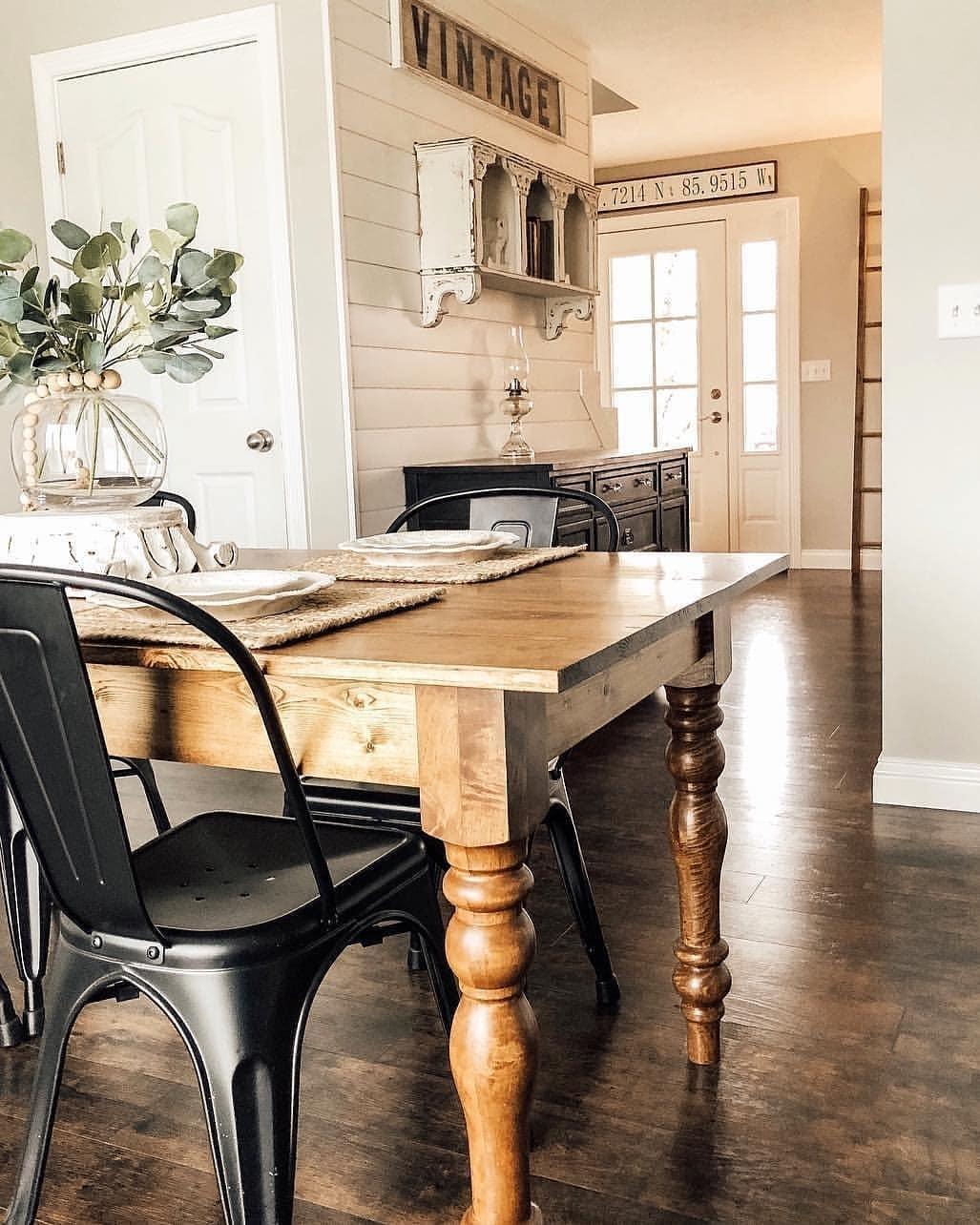
One of the most legendary conventional leg designs is the cabriole leg, identified by its elegant curved shape. This design often includes attractive carvings and is most frequently found in Queen Anne and Chippendale furnishings. One more prominent alternative is the transformed leg, which boasts a series of smooth, rounded forms that supply a classic look while preserving stability.
Additionally, the straight leg, while basic, uses a sturdy and basic structure that can blend flawlessly with a range of tabletop designs. For those drawn to ornate detailing, claw-and-ball feet legs stimulate a sense of magnificence and can work as a sensational focal factor in any type of dining room.
Last but not least, pedestal bases, although not strictly legs, supply an alternate typical choice that enables sufficient legroom and can be beautifully carved. Each of these conventional leg styles adds to the overall atmosphere of a dining room, marrying feature with visual appeal.

Modern Table Leg Designs
Modern table leg layouts use a varied variety of designs that highlight clean lines and cutting-edge materials. These styles typically prioritize functionality while functioning as striking prime focus within a dining room. Minimalist aesthetic appeals prevail, with legs crafted from materials such as metal, glass, and engineered timber, which add to a ventilated and modern feeling.
One popular layout is the barrette leg, identified by its slender, tapered framework that supplies stability without overwhelming the tabletop (dining room table legs). This design is commonly found in mid-century modern furnishings and can easily match numerous table shapes. An additional fad is making use of geometric forms, where legs might tackle angular or unbalanced forms, adding aesthetic interest and a touch of virtuosity
Blending Styles for Special Areas
Frequently, property owners seek to develop special dining spaces that mirror their individual design by blending different style components. This approach enables the unification of diverse aesthetic appeals, leading to an unified yet distinct setting. Matching a rustic wood table with smooth, modern steel legs can produce a distinctive comparison that boosts the space's site link overall allure.
In addition, incorporating vintage table legs with contemporary table tops can evoke a sense of history while maintaining a modern sensibility. Such mixes not just showcase private preference however also urge creative thinking, allowing property owners to curate a room that really feels both personal and welcoming.
Color plays a crucial role in this mixing procedure; picking table legs that match or contrast with the existing color scheme can enhance visual interest. Whitewashed legs can soften the daring of a dark table surface area, creating a well balanced aesthetic.
Tips for Picking the Right Legs
Picking the right table legs is essential for accomplishing both functionality and aesthetic allure in your eating space. Begin by thinking about the total style of your room. Standard setups benefit from legs that feature elaborate makings or transformed layouts, while contemporary spaces may require streamlined, minimal styles.
Next, evaluate the height and security of the legs. dining room table legs. Typical dining tables range between 28 to 30 inches in height, so guarantee the legs match this dimension for convenience. In addition, durable products, such as wood or steel, can boost security and long life
Review the leg form too-- options consist of right, tapered, or stand layouts. Straight legs supply a classic appearance, while conical legs can include a touch of style. Pedestal bases give enough legroom and are ideal for smaller areas.
Conclusion
In summary, selecting the perfect dining room table legs requires mindful consideration of both typical and modern-day styles. Conventional options such as cabriole and transformed legs supply ageless sophistication, while contemporary designs like barrette and view website geometric forms offer a contemporary touch. By integrating leg design, height, and material with the total decoration, a natural and inviting ambience can be achieved. Inevitably, the selected table legs must mirror the wanted aesthetic, boosting the dining experience within the area.
The variety of dining room table leg designs can considerably affect both the appearances and capability of the area. Inevitably, comprehending table leg designs is necessary for creating a natural dining location that mirrors personal design while ensuring usefulness and comfort.One of the most iconic standard leg designs is the cabriole leg, characterized by its stylish bent shape. Straight legs offer a traditional appearance, while tapered legs can add a touch of style.In summary, picking the excellent eating room table legs needs mindful consideration of both traditional and contemporary styles.